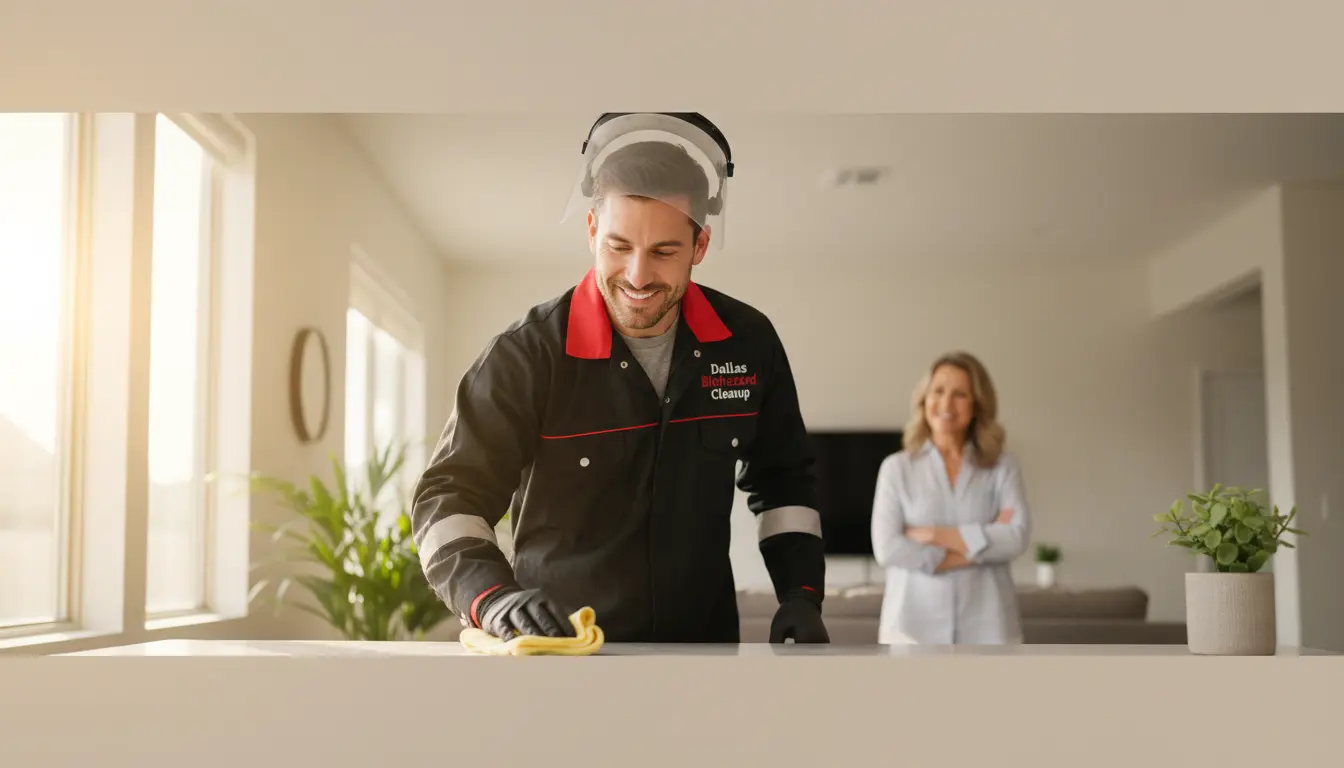
In the aftermath of a traumatic event or discovery of a biohazardous situation in Dallas, property owners often find themselves facing a daunting and expensive task: navigating the complex process of biohazard cleanup and insurance claims. Many are unaware that the average cost of biohazard remediation can range from $3,000 to $10,000 or more, depending on the severity of the incident and the size of the affected area. Furthermore, without proper guidance, homeowners and businesses may inadvertently exacerbate the situation, leading to prolonged exposure to health risks, increased financial burdens, and potential legal liabilities.
This critical oversight can result in significant financial losses, as insurance claims for biohazard cleanup are frequently denied due to lack of proper documentation, non-compliance with health and safety regulations, or failure to adhere to specific insurance policy requirements. The consequences of such mistakes can be severe, including out-of-pocket expenses for remediation services, temporary relocation costs, and potential long-term health effects for occupants. It is essential for property owners in Dallas to understand what biohazard cleanup companies may not tell them about insurance claims and how to navigate this challenging process effectively.
Dallas Biohazard Cleanup, a leading authority in biohazard remediation, emphasizes the importance of professional and discreet services tailored to the unique needs of the Dallas community. With extensive experience in handling sensitive situations, including crime scene cleanup, unattended death cleanup, and hoarding remediation, their team is equipped to provide expert guidance on insurance claims and biohazard cleanup processes. By understanding the intricacies of biohazard cleanup and insurance claims, property owners can better protect themselves from unforeseen expenses and health risks.
Understanding Biohazard Cleanup and Insurance Claims
Biohazard cleanup involves the removal and disposal of biological materials, such as blood, bodily fluids, and other potentially infectious substances, from a property. This process requires specialized training, equipment, and adherence to strict health and safety protocols to prevent cross-contamination and ensure the complete eradication of pathogens. Insurance companies often have specific requirements for biohazard cleanup, including the need for professional remediation services, detailed documentation, and compliance with local health regulations.
Property owners in Dallas must be aware of these requirements to ensure their insurance claims are processed efficiently and without unnecessary delays or denials. For instance, the What To Do After Trauma Dallas Biohazard Cleanup Guide provides valuable insights into the initial steps following a traumatic event, emphasizing the importance of professional biohazard cleanup for health and safety reasons.
Technical Process of Biohazard Cleanup
The technical process of biohazard cleanup is intricate and involves several critical steps, including hazard assessment, establishment of containment zones, removal of biological materials, multi-stage sanitization, and ATP verification to ensure the area is safe for occupancy. This process must be carried out by trained professionals using appropriate personal protective equipment (PPE) and specialized tools such as HEPA air scrubbers and electrostatic sprayers to prevent cross-contamination and ensure the complete removal of pathogens.
In Dallas, the extreme summer heat and local humidity fluctuations can accelerate biological decay and affect odor retention, making prompt and professional biohazard cleanup even more crucial. The use of enzymatic sanitizers, for example, is a critical step in breaking down protein-based substances, ensuring the removal of all traces of biological materials and preventing future odors or health risks.
Data Comparison
When considering biohazard cleanup, it’s essential to understand the differences between professional remediation services and standard janitorial or DIY cleaning methods. The following comparison highlights key aspects of each approach:
| Feature/Metric | Professional Remediation | Standard Janitorial/DIY |
|---|---|---|
| Pathogen Elimination | 99.99% or higher | Variable, often incomplete |
| Legal/Waste Compliance | Full compliance with regulations | Potential for non-compliance |
| Cross-Contamination Risk | Minimized with proper protocols | Higher risk without specialized training |
Source: OSHA Bloodborne Pathogens Standard
Expert Insights
Professional biohazard remediation experts offer several key tips for property owners facing biohazardous situations. Firstly, assessing sub-flooring for fluid penetration is crucial, as it can significantly impact the scope and cost of remediation. Secondly, understanding vector control is vital to prevent pest infestations that can spread disease. Lastly, recognizing the importance of documenting all steps of the cleanup process for insurance purposes can save time and financial resources in the long run.
Common mistakes made by property owners include using household bleach on blood, which can actually set stains and make cleanup more difficult, and ignoring porous materials that may harbor pathogens. These mistakes can lead to prolonged health risks, structural damage, and increased costs for remediation services.
Pricing Considerations
The cost of biohazard cleanup can vary widely, depending on factors such as the depth of biological fluid penetration, the amount of regulated medical waste disposal required, structural tear-out needs, and PPE requirements. Pricing structures may include per room, hourly rates, or fixed rates based on bio-load tiers. It’s essential for property owners to understand these factors and how they influence the final cost to ensure they are adequately prepared for the financial implications of biohazard remediation.
Safety and Standards
Safety and adherence to standards are paramount in biohazard cleanup. Companies should hold certifications such as those from the American Bio-Recovery Association (ABRA) or the Institute of Inspection, Cleaning and Restoration Certification (IICRC), ensuring compliance with OSHA regulations and the use of EPA-registered hospital-grade disinfectants. Proper biomedical waste disposal and the implementation of safety protocols protect not only the individuals involved in the cleanup but also future occupants of the property, reducing the risk of infectious diseases and legal liabilities.
FAQs
What is the average cost of biohazard cleanup in Dallas?
The average cost can range significantly, from $3,000 to $10,000 or more, depending on the specifics of the situation. Factors such as the size of the affected area, the type and amount of biological materials, and the need for structural repairs can all impact the final cost. It’s crucial to work with a professional biohazard cleanup company that can provide a detailed estimate based on the unique circumstances of the incident.
How long does biohazard cleanup typically take?
The duration of biohazard cleanup can vary, ranging from a few hours to several days or even weeks, depending on the complexity of the situation. Factors such as the extent of the contamination, the number of rooms affected, and the need for specialized equipment or personnel can all influence the timeframe. Professional biohazard cleanup companies will be able to provide a more accurate estimate based on their initial assessment.
Is biohazard cleanup covered by insurance?
Insurance coverage for biohazard cleanup varies depending on the policy and the circumstances of the incident. Many homeowners and business insurance policies cover biohazard cleanup as part of their provisions for hazardous materials removal or as an addendum for specific types of incidents, such as crime scene cleanup. It’s essential to review your policy or consult with your insurance provider to understand what is covered and what steps you need to take to file a claim.
How can I find a reliable biohazard cleanup company in Dallas?
Finding a reliable biohazard cleanup company in Dallas involves researching local providers, checking for certifications such as ABRA or IICRC, and reading reviews from previous clients. It’s also important to ensure the company adheres to OSHA standards, uses proper safety protocols, and has experience with situations similar to yours. For more information on How To Choose Reliable Biohazard Cleanup In Dallas Area, consider consulting with local health authorities or professional organizations for recommendations.
Conclusion
In conclusion, navigating the complexities of biohazard cleanup and insurance claims in Dallas requires a deep understanding of the technical process, local regulations, and the importance of professional remediation services. By being informed and prepared, property owners can protect themselves from the financial and health risks associated with biohazardous situations. For those in need of biohazard cleanup services, consulting with a reputable and experienced provider like Dallas Biohazard Cleanup can provide peace of mind and ensure that the property is restored to a safe and healthy state.
Dallas Biohazard Cleanup stands as a compassionate, highly-trained, and reliable option for the Dallas community, offering expertise in biohazard remediation, crime scene cleanup, and other sensitive services. Their commitment to discretion, safety, and adherence to the highest standards in biohazard cleanup makes them an invaluable resource for individuals and businesses facing these challenging situations.
For more information on biohazard risks and the importance of professional remediation, consider visiting our blog or reviewing the about us section to understand our approach and dedication to the Dallas community. Whether you’re dealing with the aftermath of a traumatic event or seeking guidance on biohazard prevention, Dallas Biohazard Cleanup is here to provide expert advice and support every step of the way.