
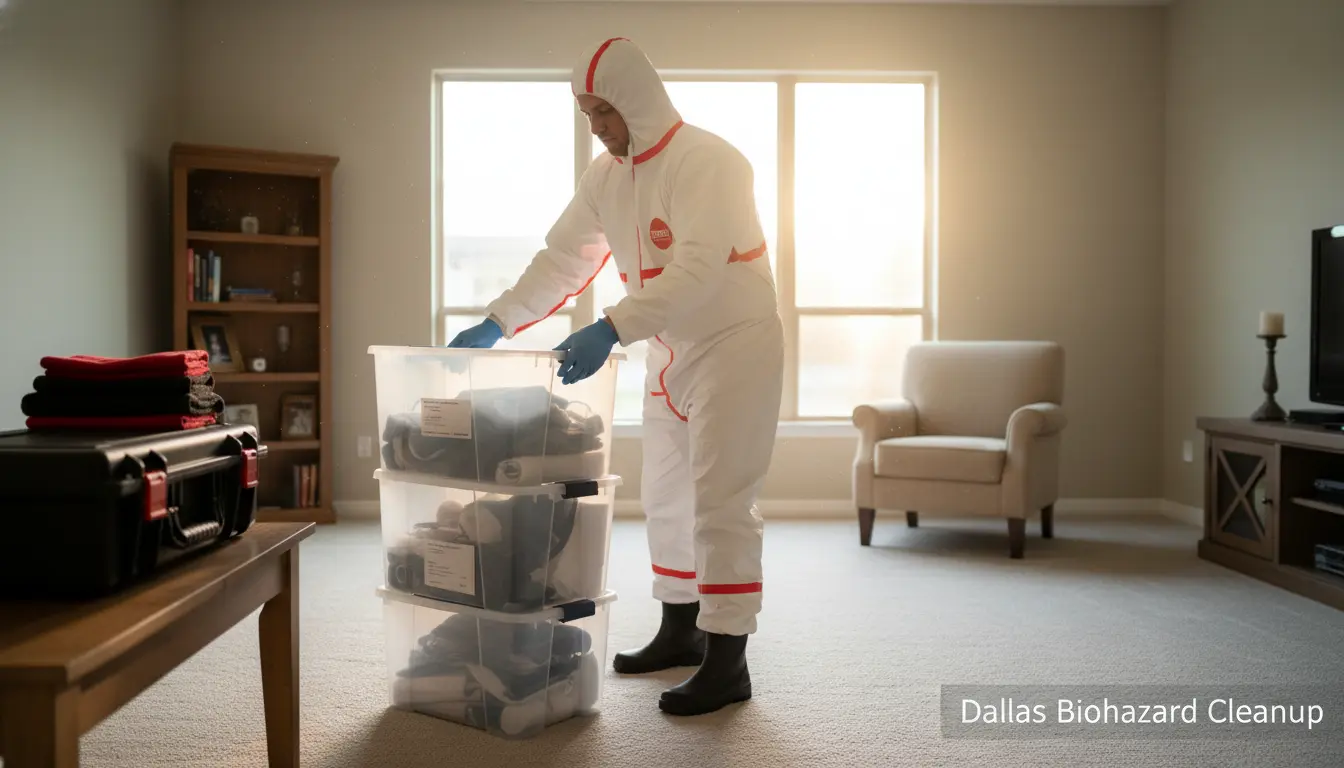
Hoarding can be a heartbreaking issue, affecting families across Dallas and beyond. Imagine walking into a home in the heart of Oak Lawn, where years of accumulated items have turned a once-cozy space into a maze of clutter and potential hazards. If you’ve ever wondered about the realities of hoarding cleanup in Texas, you’re not alone. Many misconceptions surround this sensitive process, leading to dangerous assumptions. At Dallas Biohazard Cleanup, we specialize in compassionate, professional hoarding cleanup services, serving Dallas and nearby areas like Frisco and Richardson. In this post, we’ll debunk the most common myths, provide practical tips, and guide you toward safe solutions.
Myth 1: Hoarding Cleanup is Just Like a Regular Deep Clean
One of the biggest misconceptions is that hoarding cleanup is simply a matter of rolling up your sleeves for a thorough spring cleaning. In reality, hoarding situations often involve far more complexity, especially in Texas where humidity and pests can exacerbate issues.
The Hidden Dangers of Biohazards
Hoarded environments frequently harbor biohazards like mold, bacteria, and even animal waste from rodents attracted to the clutter. A standard cleaning won’t address these risks, which can lead to health problems for occupants and cleanup crews alike. For instance, in Dallas’s humid climate, untreated waste can quickly foster harmful pathogens.
Practical Tip: Assess Before You Act
Before attempting any cleanup, conduct a professional assessment. Our team at Dallas Biohazard Cleanup starts with a free consultation to identify biohazards. If you’re in Highland Park, reach out to us—we’ll ensure the process is safe and compliant with Texas regulations. Remember, improper handling can spread contaminants, turning a manageable situation into a trauma scene decontamination nightmare.
Myth 2: You Can Handle Hoarding Cleanup on Your Own (DIY)
It’s tempting to think that with enough time and trash bags, anyone can tackle a hoarding cleanup. However, DIY efforts often overlook the emotional, physical, and legal aspects unique to these scenarios.
Emotional and Psychological Considerations
Hoarding is often linked to mental health challenges, requiring a sensitive approach. Rushing in without empathy can cause distress to the individual involved. In Dallas, where community support is strong, partnering with professionals who understand these dynamics is crucial.
Actionable Advice: Involve Experts Early
Start by consulting a licensed service like ours. We collaborate with local counselors in areas such as Addison to provide holistic support. Legally, Texas requires proper disposal of hazardous materials—DIY attempts might violate waste transport laws. For safe biohazard waste transport, trust certified handlers to avoid fines or health risks.
Here’s a step-by-step guide for preparing for professional help:
- Document the situation with photos (without invading privacy).
- Secure the property to prevent unauthorized access.
- Contact Dallas Biohazard Cleanup at (469) 848-8812 for an on-site evaluation.
- Discuss a customized plan that respects the hoarder’s needs.
This approach not only ensures safety but also promotes long-term recovery.
Myth 3: Hoarding Cleanups Are Always Quick and Inexpensive
Many believe that once the decision is made, cleanup can wrap up in a weekend for a low cost. The truth is, the scale and specifics of each case dictate time and expense.
Factors Influencing Duration and Cost
In severe cases, like those we’ve seen in Richardson, cleanups can take days or weeks due to sorting, decontamination, and restoration. Costs vary based on volume, hazards present, and location—Dallas traffic and disposal fees add up.
Tip: Budget Wisely with Professional Quotes
Get multiple quotes, but prioritize experience over the lowest price. At Dallas Biohazard Cleanup, we offer transparent pricing tailored to your needs. For example, if homicide scene cleanup elements are involved (common in extreme hoarding), specialized protocols increase complexity but ensure thoroughness.
To save money:
- Declutter non-hazardous items yourself under guidance.
- Opt for eco-friendly disposal options we provide.
- Schedule during off-peak times to reduce logistical costs in busy Dallas areas.
Myth 4: All Hoarding Situations Are the Same
Not every hoarding case looks like the extreme portrayals on TV. Myths suggest uniformity, but each is unique, influenced by personal history and local factors.
Variations in Texas Hoarding Scenarios
In urban spots like Oak Lawn, space constraints amplify issues, while suburban Frisco homes might involve larger accumulations. Texas’s hot summers can accelerate decomposition of organic matter, creating urgent biohazard needs.
Practical Advice: Tailor Your Approach
Recognize signs early—overwhelming clutter blocking pathways or strong odors. If you’re in Highland Park, local zoning laws may require professional intervention for safety. Our hoarding cleanup services adapt to each case, from light decluttering to full trauma scene decontamination.
Engage family or social services for support. In Dallas, resources like the North Texas Hoarding Coalition can complement our physical cleanup efforts.
Myth 5: Cleanup Ends the Problem—It Doesn’t Require Follow-Up
A common fallacy is that once the junk is gone, the issue is resolved. Hoarding often stems from deeper issues, necessitating ongoing support.
The Importance of Aftercare
Post-cleanup, properties need restoration to prevent recurrence. We’ve helped clients in Addison restore homes to livable conditions, including odor neutralization and structural repairs.
Actionable Steps for Long-Term Success
- Schedule follow-up visits to monitor progress.
- Recommend therapy or support groups available in Dallas.
- Implement organizational systems during cleanup to aid maintenance.
By addressing root causes, you reduce the likelihood of re-accumulation. Dallas Biohazard Cleanup partners with local mental health pros for comprehensive care.
FAQ: Common Questions About Hoarding Cleanup in Texas
1. How long does a hoarding cleanup typically take in Dallas?
It varies from a few hours for minor cases to several weeks for severe ones. Factors like home size and hazard levels play a role. Contact us at (469) 848-8812 for a personalized timeline.
2. Is hoarding cleanup covered by insurance in Texas?
Often yes, especially if biohazards or structural damage are involved. Check your policy—our team assists with claims for Dallas-area clients.
3. What certifications should a hoarding cleanup company have?
Look for OSHA compliance, biohazard handling certifications, and Texas waste disposal licenses. Dallas Biohazard Cleanup meets all standards for safe service.
4. Can family members assist in the cleanup process?
Yes, with professional oversight to ensure safety. We guide families in areas like Frisco on how to contribute without risks.
5. How do I know if my situation requires professional hoarding cleanup?
If clutter poses health/safety threats or involves waste, call experts. Serving Richardson and beyond, we’re here to help assess.
Conclusion: Take the First Step Toward a Safer Home
Debunking these myths reveals that hoarding cleanup in Texas demands expertise, compassion, and precision. At Dallas Biohazard Cleanup, we’re committed to serving Dallas communities—from Oak Lawn to Addison—with reliable, discreet services. Don’t let misconceptions delay help. If you or a loved one needs assistance, reach out today at (469) 848-8812 or visit our site to learn more about our hoarding cleanup services. Together, we can restore peace and safety to your space.