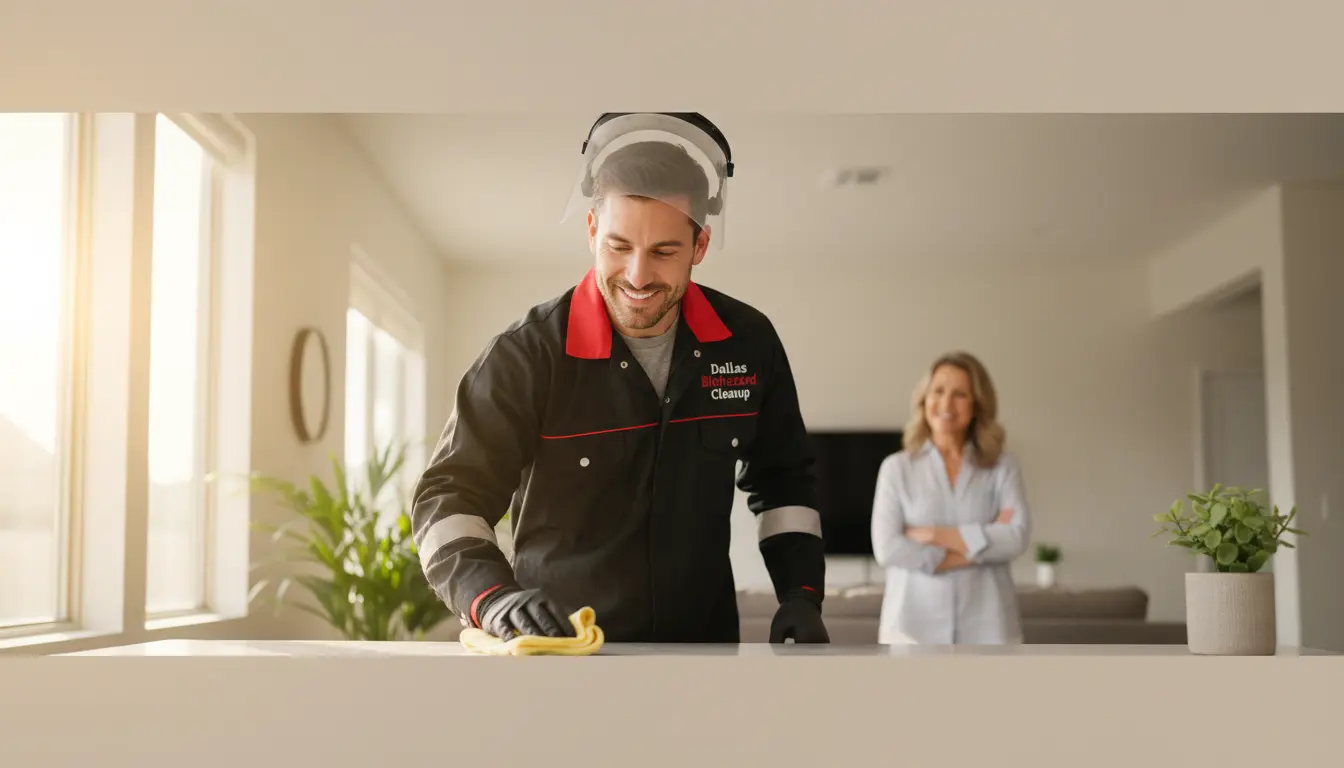
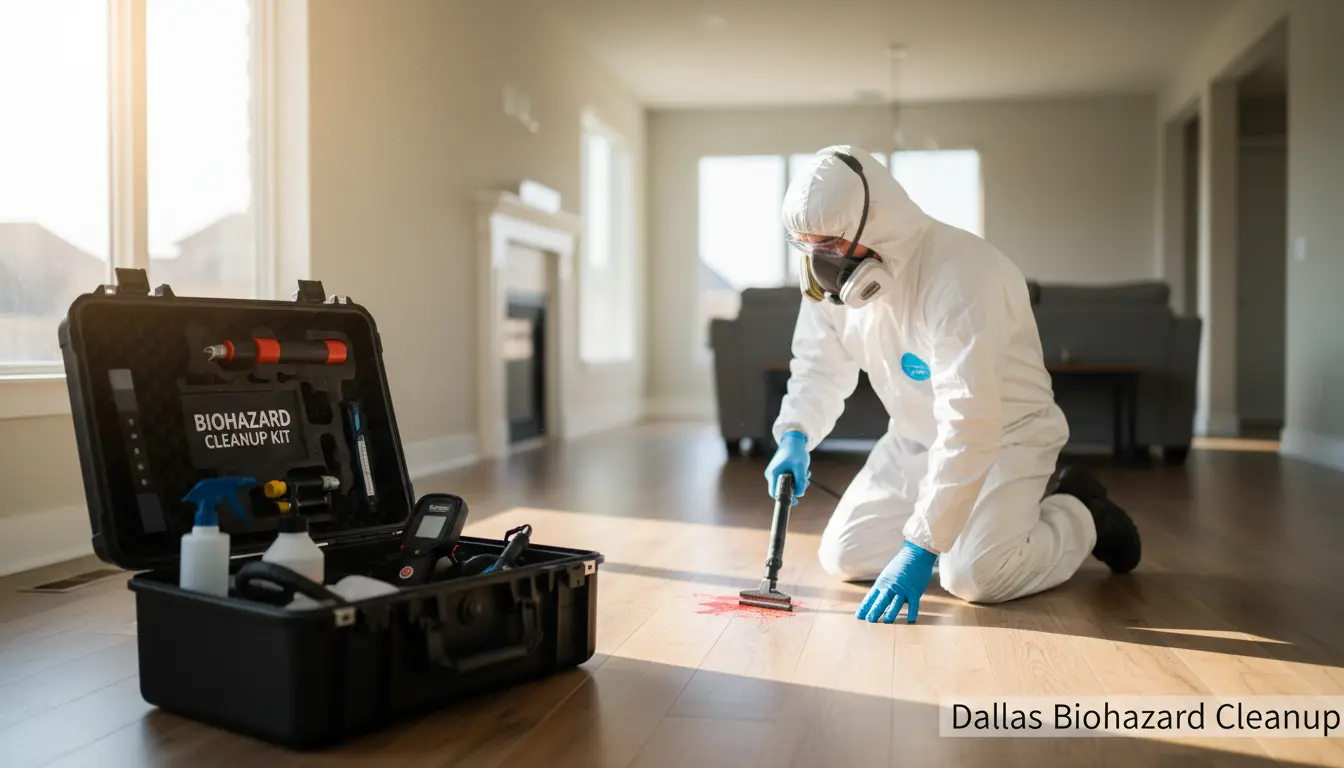
Dealing with the aftermath of a crime in the vibrant city of Dallas can be overwhelming. From the bustling streets of Uptown to the quiet neighborhoods of Lakewood, tragedies strike unexpectedly, leaving behind not just emotional scars but hazardous biohazards that demand immediate attention. As a resident or business owner in Dallas, TX, understanding crime scene cleanup is crucial for restoring safety and peace of mind. At Dallas Biohazard Cleanup, we’re here to guide you through this sensitive process with expertise and compassion. This ultimate guide covers everything from the basics to practical steps, ensuring you’re equipped to handle such situations effectively.
Whether it’s a homicide scene cleanup in Arlington or trauma scene decontamination in University Park, our team specializes in thorough, discreet services tailored to the Dallas metro area.
Understanding Crime Scene Cleanup
What Exactly is Crime Scene Cleanup?
Crime scene cleanup refers to the specialized process of removing biohazardous materials from sites where violent crimes, accidents, or unattended deaths have occurred. Unlike regular cleaning, this involves handling blood, bodily fluids, and other contaminants that can pose serious health risks, including exposure to pathogens like hepatitis or HIV.
In Dallas, where urban density means quick response is key, professional services like ours at Dallas Biohazard Cleanup ensure compliance with Texas health regulations. We use industry-standard equipment to decontaminate spaces, preventing long-term contamination that could affect property value or occupant health.
Why Professional Cleanup is Essential
Attempting DIY cleanup after a crime scene can lead to severe consequences. Without proper training, you risk spreading contaminants, violating biohazard disposal laws, or even personal injury. Professionals are certified in OSHA and EPA guidelines, using PPE (personal protective equipment) and specialized disinfectants.
For instance, in high-traffic areas like Addison, improper cleanup could endanger first responders or neighbors. Our infectious waste disposal services ensure all materials are handled and disposed of legally, giving you peace of mind.
The Step-by-Step Process of Crime Scene Cleanup
Navigating the cleanup process can feel daunting, but breaking it down makes it manageable. Here’s a detailed overview based on best practices in Dallas.
Initial Assessment and Safety Measures
The first step is a thorough site assessment. Our team arrives promptly—often within hours—to evaluate the extent of biohazards. In Dallas’s varying climates, from humid summers to occasional floods, we check for secondary issues like mold growth.
Practical Tip: If you’re on-site, secure the area immediately by limiting access and ventilating if safe. Avoid touching anything; call professionals right away at (469) 848-8812. For properties in Uptown, where space is premium, our discreet approach minimizes disruption.
Removal of Biohazardous Materials
Once assessed, we remove all visible biohazards using sealed containers to prevent airborne spread. This includes blood-soaked items, tissues, and fluids. In cases involving sewer backup cleaning exacerbated by a crime scene, we address combined hazards.
Actionable Advice: Document the scene with photos before cleanup for insurance purposes, but only if it’s safe and you’re not disturbing evidence. Law enforcement in Dallas often coordinates with us to preserve investigative needs.
Decontamination and Disinfection
After removal, deep cleaning begins. We apply hospital-grade disinfectants to surfaces, HVAC systems, and porous materials. For trauma sites in Lakewood, this might involve odor neutralization to eliminate lingering smells that could affect mental recovery.
Pro Tip: Porous items like carpets or upholstery often need replacement rather than cleaning. Opt for antimicrobial treatments post-cleanup to maintain a sterile environment.
Final Inspection and Restoration
We conduct ATP testing to verify decontamination levels, ensuring no residues remain. Then, minor restorations like repainting or carpet replacement follow. In Dallas’s real estate market, this step is vital for returning properties to livable condition quickly.
Local Insight: Serving areas like Arlington, we tailor restorations to match local aesthetics, helping families or landlords in University Park get back to normal faster.
Practical Tips for Handling Crime Scene Situations in Dallas
Preparation and knowledge can make a world of difference. Here are actionable tips tailored to Dallas residents:
-
Contact Authorities First: Always report the incident to Dallas PD immediately. They can guide you on when cleanup can proceed without interfering with investigations.
-
Choose Licensed Professionals: Verify certifications. Dallas Biohazard Cleanup is fully licensed, insured, and IICRC-certified, ensuring reliable service across the DFW area.
-
Understand Insurance Coverage: Many homeowner policies cover biohazard cleanup. In Addison’s upscale homes, comprehensive policies often include this—review yours or consult us for claims assistance.
-
Prepare for Emotional Impact: Cleanup isn’t just physical; it’s emotional. We offer compassionate support, understanding the trauma in diverse communities like those in Lakewood.
-
Prevent Future Hazards: Install security systems or biohazard kits in high-risk areas. For businesses in Uptown, regular mold biohazard remediation can complement crime prevention.
Incorporating these tips ensures safety and efficiency, especially in Dallas’s fast-paced environment.
Common Challenges in Dallas Crime Scene Cleanup
Dallas’s unique landscape presents specific hurdles. Urban sprawl means traffic delays, so rapid response teams are essential. Hot Texas weather accelerates decomposition, increasing biohazard risks—our 24/7 availability addresses this.
In flood-prone areas like parts of Arlington, water damage can compound issues, requiring integrated sewer backup cleaning approaches. We also navigate multi-unit buildings in Uptown, coordinating with property managers for minimal tenant impact.
Advice: If your property is in a historic district like University Park, discuss preservation techniques with us to maintain architectural integrity during cleanup.
FAQ: Crime Scene Cleanup in Dallas, TX
1. How long does crime scene cleanup take in Dallas?
The duration varies by scene complexity, from a few hours for small incidents to several days for extensive ones. Our team in areas like Addison prioritizes efficiency without compromising safety.
2. Is crime scene cleanup covered by insurance?
Yes, most policies include biohazard cleanup under dwelling coverage. Contact your provider, and we’ll assist with documentation for claims.
3. Do I need to be present during the cleanup?
No, but it’s recommended for updates. We handle everything discreetly, especially in sensitive Lakewood neighborhoods.
4. What if the crime scene involves unattended death?
Unattended deaths require specialized trauma scene decontamination, including odor removal. We’re experienced in these compassionate cleanups across Dallas.
5. How much does it cost?
Costs depend on size and hazards, starting around $500 for basic jobs. We provide free estimates—call (469) 848-8812 for a quote tailored to your Arlington or Uptown location.
Conclusion: Restore Safety with Dallas Biohazard Cleanup
Crime scene cleanup in Dallas, TX, demands expertise, sensitivity, and speed. From initial shock to full restoration, Dallas Biohazard Cleanup stands ready to support you through every step. Whether in the heart of the city or suburbs like Addison, our local knowledge ensures unparalleled service.
Don’t face this alone—contact us today at (469) 848-8812 for a confidential consultation. Let us help you reclaim your space and start healing. Your safety is our priority.