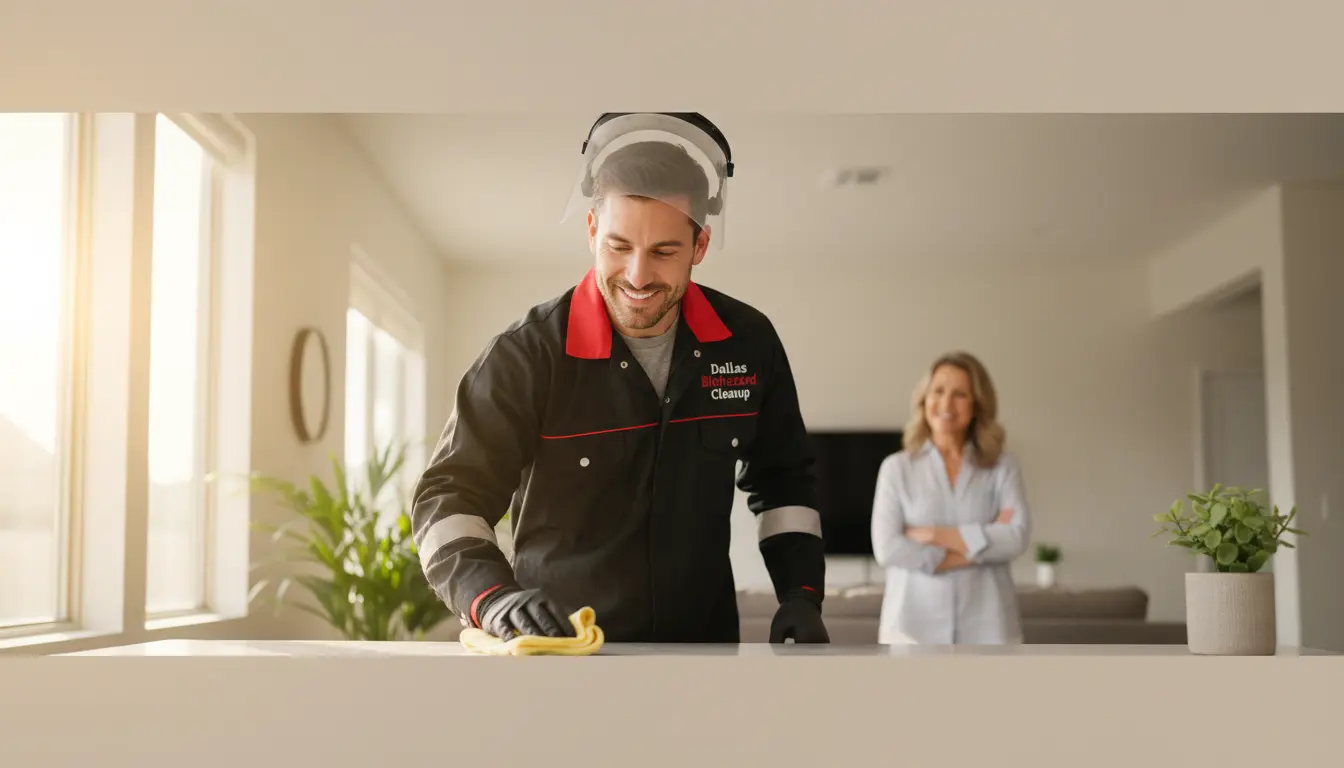
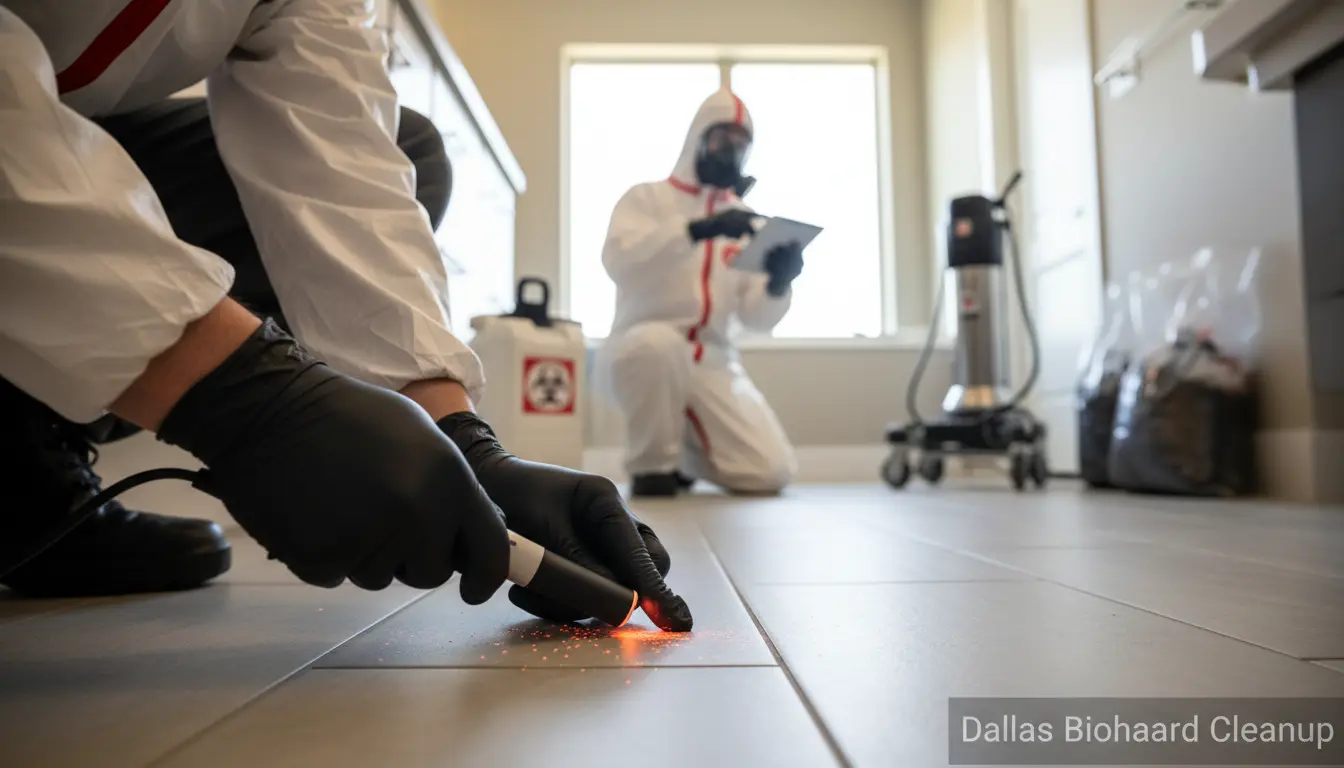
Imagine coming home to a cozy Dallas residence after a long day in the bustling streets of Uptown, only to realize invisible threats like bacteria, viruses, and toxins could be lurking in your living space. Biohazards aren’t just a plot from a thriller movie—they’re a stark reality in many Dallas-Fort Worth homes. From unattended deaths to animal waste accumulation, these dangers pose serious health risks to residents. In this eye-opening post, we’ll dive into shocking statistics, explore local implications, and share practical advice on how to protect your family. As your trusted local experts, Dallas Biohazard Cleanup is here to help restore safety to your home.
Whether you’re in the vibrant neighborhoods of Lower Greenville or the suburban charm of Richardson, understanding these biohazards is crucial. Let’s uncover the facts that might just save lives.
Understanding Biohazards: What They Are and Why They Matter
Biohazards refer to biological substances that pose a threat to human health, including pathogens, toxins, and infectious materials. In homes, they can stem from various sources like sewage backups, rodent infestations, or traumatic events. According to the Centers for Disease Control and Prevention (CDC), exposure to biohazards can lead to respiratory issues, gastrointestinal problems, and even long-term neurological damage.
Common Types of Biohazards in DFW Homes
In the Dallas-Fort Worth area, with its mix of urban density and suburban sprawl, biohazards are more prevalent than you might think. Mold growth from humid Texas summers is a prime example— the Environmental Protection Agency (EPA) reports that indoor mold affects over 21 million U.S. homes, and Dallas’s climate exacerbates this issue. Another shocking source is animal waste; feral cats and rodents thrive in areas like Oak Lawn, leading to Hantavirus risks.
Trauma-related biohazards, such as those from unattended deaths, are particularly harrowing. The National Institute of Justice estimates that thousands of such incidents occur annually nationwide, with urban centers like Dallas seeing higher rates due to population density.
Shocking Statistics on Biohazards in Dallas-Fort Worth
The numbers behind biohazards in our local homes are alarming and demand attention. Let’s break down some key stats that highlight the urgency.
Mold and Microbial Growth: A Silent Epidemic
Did you know that nearly 50% of Dallas-Fort Worth homes built before 1980 contain elevated levels of mold, according to a study by the American Industrial Hygiene Association? This is especially true in flood-prone areas near the Trinity River. Mold spores can trigger asthma attacks, and the CDC links them to over 4 million annual doctor visits for allergy-related issues. In Irving, where older housing stock is common, residents face up to 30% higher exposure rates due to poor ventilation in attics and basements.
Risks from Unattended Deaths and Trauma Scenes
Unattended deaths—where a person passes away without discovery for days or weeks—release bodily fluids that harbor bacteria like E. coli and Salmonella. A report from the Biohazard Association of America indicates that such incidents contaminate up to 500 square feet of a home, with decomposition accelerating in Texas’s warm climate. In Dallas proper, emergency services respond to hundreds of these calls yearly, underscoring the need for specialized unattended death cleanup to prevent cross-contamination.
Animal Waste and Vector-Borne Hazards
Rodents and wildlife are rampant in DFW suburbs. The Texas Department of State Health Services reports over 10,000 rabies cases linked to animal vectors annually in Texas, many originating from urban wildlife entering homes. In areas like Richardson, improper waste disposal leads to biohazard buildup, increasing the spread of diseases like Leptospirosis by 25% compared to national averages.
Crime Scene and Hoarding-Related Biohazards
Crime scenes, while less common, leave behind bloodborne pathogens like Hepatitis B and C. The FBI’s Uniform Crime Reports show Dallas experiencing a steady rate of violent incidents, each requiring thorough crime scene cleanup to eliminate HIV and other risks. Hoarding situations, prevalent in diverse neighborhoods like Lower Greenville, amplify these dangers, with biohazard levels comparable to medical waste sites.
These stats aren’t just numbers—they represent real threats to DFW families. For instance, in Uptown’s high-rises, sewage leaks from aging plumbing contribute to bacterial outbreaks, affecting thousands.
Local Impact: Biohazards in Dallas Neighborhoods
Dallas-Fort Worth’s unique geography and demographics make biohazards a localized concern. The area’s rapid growth—adding over 150,000 residents yearly—strains housing infrastructure, leading to more incidents.
Biohazards in Suburban vs. Urban DFW
Suburban spots like Irving see higher rates of animal waste removal needs due to backyard wildlife. A local health department survey found 40% of Irving homes with rodent activity, compared to 25% in urban cores. Meanwhile, in dense areas like Oak Lawn, trauma scenes from accidents or overdoses are more frequent, necessitating prompt trauma scene decontamination.
Richardson, with its tech-driven population, faces biohazards from lab-like home setups, where chemical spills mimic industrial waste. And in Uptown, luxury condos aren’t immune—leaky roofs during storms breed mold faster than in ground-level homes.
These neighborhood-specific risks highlight why tailored services are essential. Dallas Biohazard Cleanup serves all these areas, ensuring rapid response to mitigate dangers.
Practical Tips for Preventing and Handling Biohazards
Knowledge is your first line of defense. Here are actionable steps to safeguard your Dallas home.
Daily Prevention Strategies
-
Maintain Ventilation and Humidity Control: Keep indoor humidity below 50% using dehumidifiers, especially post-rainy seasons in DFW. Regularly inspect attics and crawl spaces for leaks.
-
Secure Against Pests: Seal entry points around your home’s foundation. In rodent-heavy areas like those near White Rock Lake, use traps and professional pest control.
-
Safe Waste Management: Properly dispose of organic waste to avoid attracting animals. For biohazard waste transport, never handle it yourself—call experts.
What to Do If You Suspect a Biohazard
If you smell unusual odors or see discoloration, evacuate and contact professionals immediately. Do not touch affected areas to avoid exposure. In Dallas, where response times matter, Dallas Biohazard Cleanup offers 24/7 service—dial (469) 848-8812 for immediate assessment.
For trauma incidents in places like Lower Greenville, document the scene for authorities but leave cleanup to certified teams trained in OSHA protocols.
Emergency Response Checklist
- Isolate the area with plastic sheeting.
- Wear PPE like gloves and masks if entry is unavoidable.
- Ventilate by opening windows, but avoid fans that spread spores.
- Call Dallas Biohazard Cleanup for disinfection using EPA-approved agents.
Implementing these tips can reduce biohazard risks by up to 70%, per health experts.
FAQ: Common Questions About Biohazards in DFW Homes
1. How do I know if my home has a biohazard?
Signs include persistent musty odors, unexplained stains, or health symptoms like coughing after being indoors. In humid Dallas weather, visible mold is a red flag.
2. Is DIY cleanup safe for biohazards?
No—handling pathogens without training can lead to infection. Always hire professionals like Dallas Biohazard Cleanup for safe removal.
3. How long does biohazard cleanup take in Dallas?
It varies: minor mold might take a day, while unattended death cleanup could span 3-5 days, depending on contamination extent.
4. Does insurance cover biohazard cleanup in DFW?
Many homeowner policies do, especially for trauma or flood-related issues. Contact your provider and our team at (469) 848-8812 for guidance.
5. Are biohazards more common in certain Dallas areas?
Yes, older homes in Irving or high-density spots like Oak Lawn see higher incidences. Our services cover all areas we serve, including Richardson and Uptown.
Conclusion: Take Control of Your Home’s Safety Today
The shocking stats on biohazards in Dallas-Fort Worth homes reveal a hidden crisis that no family should ignore. From mold in humid attics to the grim realities of trauma scenes, these threats are closer than you think. But with awareness, prevention, and professional intervention, you can reclaim a safe living environment.
Don’t wait for a crisis—proactive steps like regular inspections and expert consultations make all the difference. Dallas Biohazard Cleanup is your local partner in biohazard remediation, serving neighborhoods from Lower Greenville to Oak Lawn with compassion and expertise. Contact us today at (469) 848-8812 for a free consultation and ensure your home is protected. Your family’s health deserves nothing less.