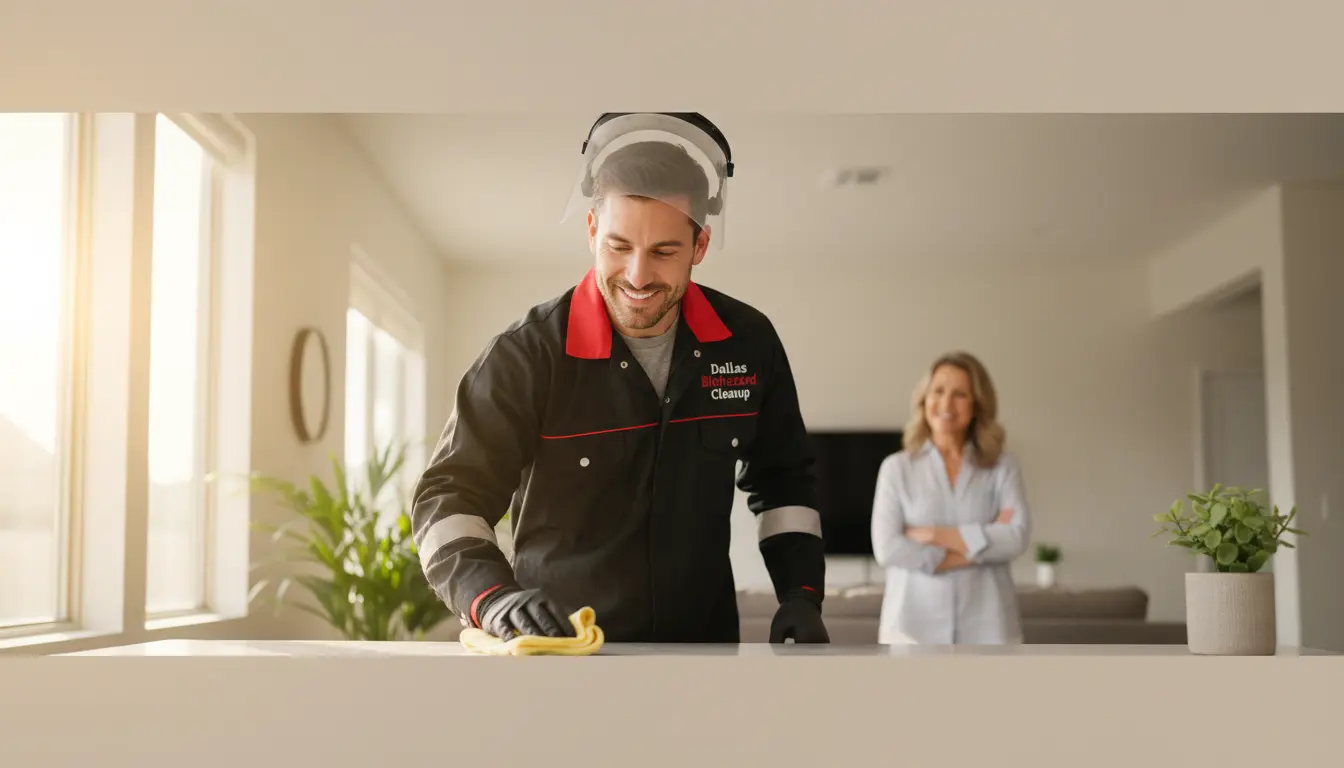
Contrary to popular belief, the duration of biohazard remediation after a suicide or trauma scene is not solely determined by the severity of the incident, but rather by a complex array of factors including the type of biological fluids present, the porosity of affected materials, and the environmental conditions of the scene. In Dallas, where extreme summer heat and humidity fluctuations can accelerate biological decay and rapid pathogen growth, professional biohazard remediation is crucial to prevent the spread of infectious diseases and ensure a safe environment for future occupants.
The city’s unique climate, characterized by hot summers and mild winters, poses a significant challenge for biohazard remediation efforts. For instance, the high temperatures and humidity in Dallas can cause biological fluids to seep deeper into porous materials, making it more difficult to remove and sanitize. Furthermore, the presence of certain types of bacteria, such as those that thrive in warm and humid environments, can increase the risk of infection and disease transmission. As a result, it is essential to have a thorough understanding of the local conditions and to use specialized equipment, such as HEPA air scrubbers and hydroxyl generators, to effectively remediate biohazards.
Dallas Biohazard Cleanup, a premier and authoritative service provider in the area, has the expertise and equipment to handle even the most complex biohazard remediation cases. With a deep understanding of the local environment and the latest technologies, our team can provide a safe and discreet cleanup service that meets the highest standards of quality and compliance. For more information on what to do after a trauma scene, visit our Biohazard Cleanup Guide.
Technical Process
The biohazard remediation process involves a step-by-step approach that includes hazard assessment, establishing containment zones, biological material removal, multi-stage sanitization, and ATP verification. Our team uses specialized equipment, such as electrostatic sprayers and PPE, to ensure that all surfaces are thoroughly sanitized and disinfected. We also follow strict protocols for the removal and disposal of biological waste, in accordance with OSHA and EPA regulations.
In addition to the technical aspects of biohazard remediation, it is also important to consider the emotional and psychological impact of a trauma scene on individuals and families. Our team is trained to provide compassionate and supportive services, while also ensuring that the cleanup process is done efficiently and effectively. For more information on our trauma scene decontamination services, visit our Trauma Scene Decontamination page.
Data Comparison Table
The following table compares the key features and metrics of professional biohazard remediation versus standard janitorial or DIY cleaning:
| Feature/Metric | Professional Remediation | Standard Janitorial/DIY |
|---|---|---|
| Pathogen Elimination | 99.99% effective | < 50% effective |
| Legal/Waste Compliance | Full compliance with OSHA and EPA regulations | Potential for non-compliance and fines |
| Cross-Contamination Risk | Minimal risk with proper protocols and equipment | High risk of cross-contamination without proper training and equipment |
Source: OSHA Bloodborne Pathogens Standard
Expert Insights
As a certified senior biohazard remediation expert, I can provide the following advanced professional tips for effective biohazard remediation:
Firstly, it is essential to assess the sub-flooring for fluid penetration, as this can be a common area for biological fluids to seep into and cause further contamination. Secondly, understanding vector control is crucial to prevent pest infestations and the spread of diseases. Finally, using the correct type and amount of disinfectant is critical to ensure that all surfaces are properly sanitized and disinfected.
Common mistakes that property owners make during biohazard remediation include using household bleach on blood, improper disposal of biohazardous waste, and ignoring porous materials. These mistakes can have serious consequences, including structural damage, returning odors, and legal liability. For more information on the top 7 signs that your property requires biohazard remediation, visit our Top 7 Signs page.
Pricing
The cost of biohazard remediation can vary depending on several factors, including the size of the affected area, the type and amount of biological fluids present, and the level of contamination. Our pricing structures include:
- Per room rates, which take into account the size and complexity of the cleanup
- Hourly rates, which are based on the time and expertise required for the cleanup
- Fixed rates, which are based on the bio-load tier and the level of contamination
For more information on our pricing and services, visit our Dallas Biohazard Cleanup page.
Safety and Standards
At Dallas Biohazard Cleanup, we adhere to the highest standards of safety and quality, including OSHA, ABRA, and IICRC certifications. Our team is trained to follow strict protocols for the removal and disposal of biological waste, and we use only EPA-registered hospital-grade disinfectants to ensure that all surfaces are properly sanitized and disinfected.
Our commitment to safety and quality is reflected in our use of specialized equipment, such as HEPA air scrubbers and hydroxyl generators, to minimize the risk of cross-contamination and ensure a safe environment for future occupants. For more information on our services and certifications, visit our About Us page.
FAQ Section
What is the average duration of biohazard remediation?
The average duration of biohazard remediation can vary depending on the complexity of the cleanup and the level of contamination. However, with our expertise and equipment, we can typically complete a biohazard remediation project within 24-48 hours.
Do you offer discreet and confidential services?
Yes, we understand the sensitive nature of biohazard remediation and offer discreet and confidential services to protect the privacy and dignity of our clients. For more information on our crime scene cleanup services, visit our Crime Scene Cleanup page.
Can I use household bleach to clean up blood?
No, household bleach is not effective against bloodborne pathogens and can actually make the situation worse by pushing the blood deeper into porous materials. It is essential to use the correct type and amount of disinfectant, as well as follow proper protocols for the removal and disposal of biological waste.
Do you offer services for unattended death cleanup?
Yes, we offer services for unattended death cleanup, including homicide scene cleanup and blood spill remediation. For more information on our services, visit our Homicide Scene Cleanup page.
Professional Biohazard Remediation in Dallas, TX
In conclusion, biohazard remediation is a complex and sensitive process that requires expertise, equipment, and a deep understanding of the local environment. At Dallas Biohazard Cleanup, we are committed to providing a safe, discreet, and compassionate service that meets the highest standards of quality and compliance. For more information on our services and to schedule a consultation, visit our Contact Us page.
By choosing Dallas Biohazard Cleanup, you can trust that your property will be restored to a safe and pathogen-free state, and that you will receive the support and guidance you need during a difficult time. We serve the entire Dallas area, including Lower Greenville, Preston Hollow, Oak Lawn, Lakewood, Addison, and Richardson.
We also provide services for mold biohazard remediation and blood spill remediation. For more information on our services, visit our Blog page.