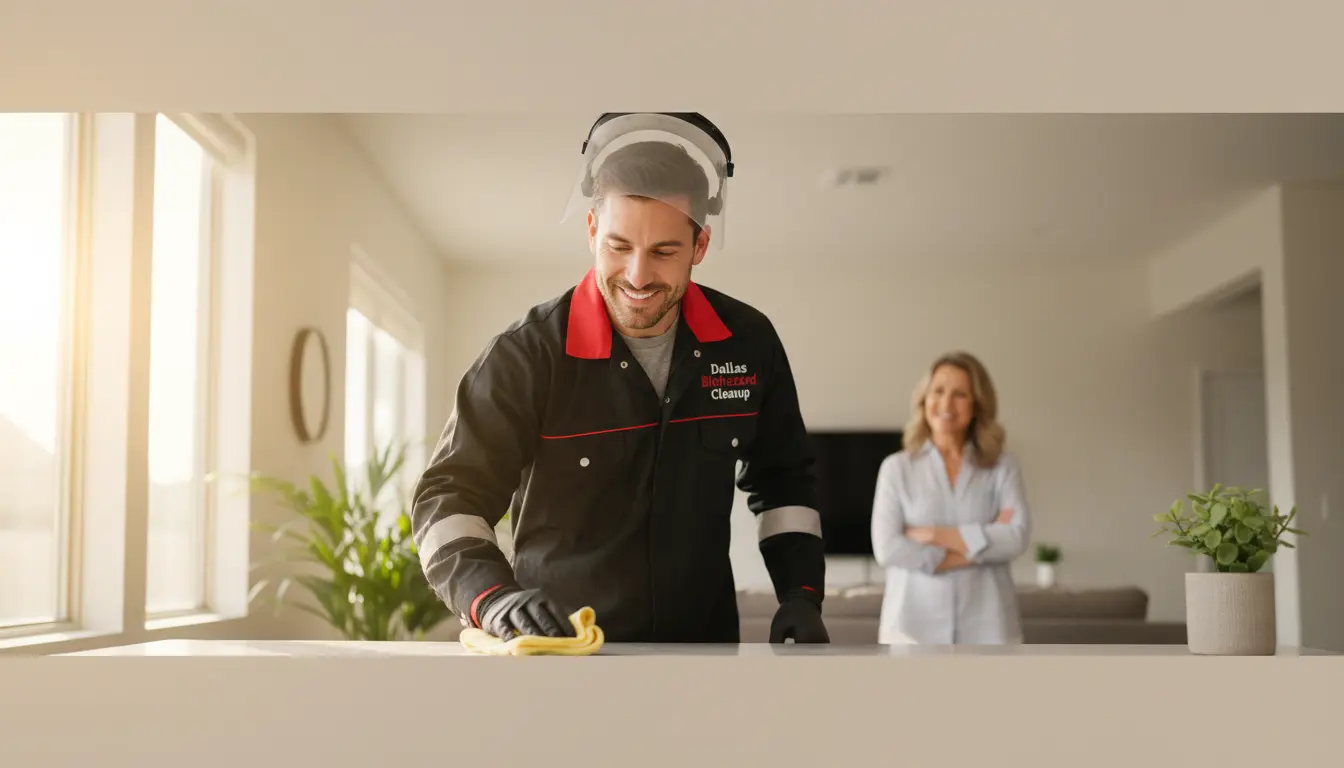
Contrary to popular belief, decontaminating vehicles after biohazard exposure is not a simple matter of wiping down surfaces with bleach. In reality, the process requires a deep understanding of the underlying risks and a meticulous approach to ensure that all hazardous materials are properly removed. How do professionals decontaminate vehicles after biohazard exposure? The answer lies in a combination of specialized training, equipment, and protocols that prioritize both safety and efficacy. As outlined in our Biohazard Cleanup Guide, the first step in any decontamination process is to assess the situation and identify potential hazards.
When it comes to vehicles, this assessment is particularly crucial, as the confined space can amplify the risks associated with biohazard exposure. Professionals must consider factors such as the type of biohazard, the extent of the contamination, and the vehicle’s layout and materials. By visiting our blog, you can find more information on the importance of proper assessment and how it applies to various scenarios, including biohazard risks in suburban areas.
Once the assessment is complete, professionals can begin the decontamination process, which typically involves a series of steps designed to remove and neutralize the biohazard. This may include the use of personal protective equipment (PPE), specialized cleaning solutions, and equipment such as HEPA vacuums and thermal foggers. For more on the equipment and techniques used in biohazard decontamination, see our emergency biohazard response tips.
The Importance of Proper Training and Equipment
One of the most critical factors in effective vehicle decontamination is the use of proper training and equipment. Without these, even the best intentions can lead to inadequate results, putting people and the environment at risk. As highlighted in our report on biohazards in Dallas-Fort Worth homes, the consequences of improper decontamination can be severe.
Professionals in the field undergo extensive training to learn how to safely and effectively decontaminate vehicles and other spaces. This training includes instruction on the use of specialized equipment, such as PPE and thermal foggers, as well as protocols for handling and disposing of hazardous materials. To learn more about the training and qualifications of our team, visit our About Us page.
Choosing the Right Professionals for the Job
Given the risks and complexities involved in vehicle decontamination, it is essential to choose professionals who are qualified, experienced, and equipped to handle the task. As outlined in our guide on how to choose reliable biohazard cleanup services, there are several key factors to consider when selecting a provider, including their training, equipment, and reputation.
By selecting a reputable and experienced provider, individuals can ensure that their vehicle is properly decontaminated and safe for use. This is particularly important for those who have been affected by trauma, as outlined in our trauma response guide. For more general information on biohazard remediation, see our article on the top 7 signs your property requires biohazard remediation.
The Role of Technology in Vehicle Decontamination
Advances in technology have significantly improved the effectiveness and efficiency of vehicle decontamination processes. From specialized cleaning solutions to advanced equipment such as UV light sanitizers, technology plays a critical role in ensuring that vehicles are thoroughly decontaminated. For insights into how technology is applied in biohazard cleanup, including crime scene cleanup, visit our website.
Moreover, technology has also enhanced the safety aspects of decontamination by providing professionals with real-time data on the presence and levels of biohazards. This information is invaluable in guiding the decontamination process and ensuring that all hazards are properly mitigated. To understand why Dallas residents need professional biohazard services, and how technology contributes to these services, explore our resources.
Conclusion
In conclusion, decontaminating vehicles after biohazard exposure is a complex process that requires specialized training, equipment, and protocols. By understanding the importance of proper assessment, training, and technology, individuals can ensure that their vehicles are safely and effectively decontaminated. If you are in need of professional biohazard cleanup services, contact us today to learn more about our services and how we can help.
Remember, the safety and well-being of you and your loved ones depend on proper decontamination. Do not risk it by attempting to handle biohazards yourself. Instead, rely on the expertise of professionals who have the training, equipment, and experience necessary to get the job done right. Visit our areas we serve page to see if we can assist you in your location, including Lower Greenville, Preston Hollow, and beyond.
For more information on biohazard cleanup and related topics, visit Dallasbiohazardcleanup.Com. We are committed to providing the highest level of service and ensuring that our community remains safe and healthy.