Failing to properly remove dangerous bacteria after a sewage backup in your home can lead to costly and time-consuming repairs, not to mention the risk of serious health problems for you and your family. In fact, the average cost of sewage backup cleanup can range from $3,000 to $10,000 or more, depending on the extent of the damage. Furthermore, if you don’t take the necessary steps to remove the bacteria and other contaminants, you may be looking at even more expensive repairs down the line, including replacing damaged flooring, drywall, and other materials. To make matters worse, sewage backups can also lead to the growth of mold and mildew, which can exacerbate respiratory problems like asthma and cause other health issues.
One of the most critical steps in the cleanup process is to identify the source of the backup and take steps to prevent it from happening again in the future. This may involve hiring a professional plumber to inspect your sewer lines and make any necessary repairs. Additionally, it’s essential to take immediate action to remove any contaminated materials, including flooring, drywall, and insulation, and to disinfect all surfaces with a solution that is proven to kill bacteria and other microorganisms. For more information on what to do after a traumatic event like a sewage backup, check out our Biohazard Cleanup Guide.
It’s also important to understand the risks associated with biohazards in the home. According to Shocking Stats On Biohazards In Dallas-Fort Worth Homes, many homeowners are unaware of the dangers that biohazards pose, and as a result, they may not take the necessary steps to protect themselves and their families. By educating yourself on the risks and taking proactive steps to prevent biohazards, you can help keep your home and family safe.
Understanding the Risks of Sewage Backups
Sewage backups can occur due to a variety of factors, including clogged sewer lines, heavy rainfall, and malfunctioning sump pumps. When a backup occurs, it can release a large amount of contaminated water into your home, which can contain bacteria, viruses, and other microorganisms that can cause serious health problems. In fact, according to the Top 7 Signs Your Property Requires Biohazard Remediation, sewage backups are one of the most common causes of biohazard contamination in the home.
To minimize the risks associated with sewage backups, it’s essential to take immediate action to remove any contaminated materials and to disinfect all surfaces. This may involve hiring a professional biohazard cleanup company that has the necessary training and equipment to safely and effectively remove the contaminants. For more information on Sewer Backup Cleaning, check out our website.
Removing Dangerous Bacteria After a Sewage Backup
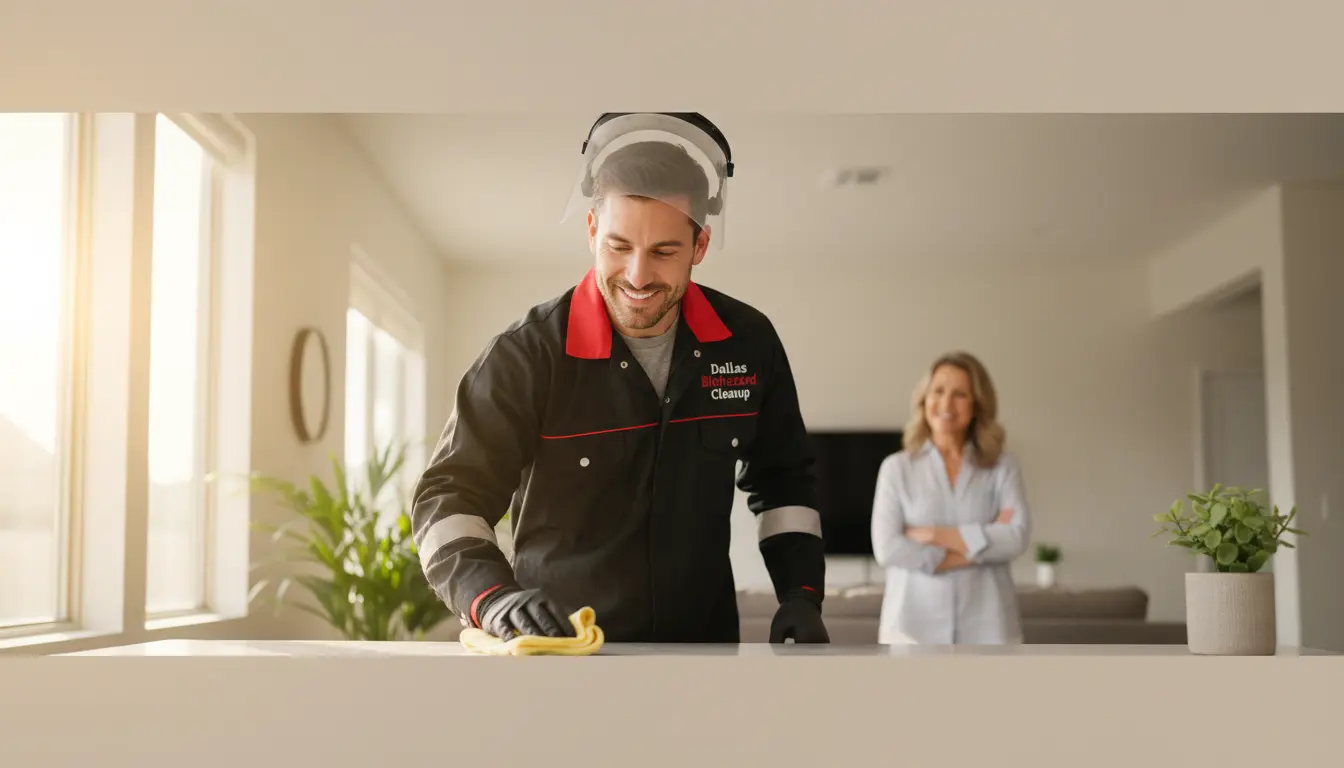
Removing dangerous bacteria after a sewage backup requires a thorough and comprehensive approach. This includes identifying and removing any contaminated materials, disinfecting all surfaces, and taking steps to prevent future backups. It’s also essential to wear protective gear, including gloves, masks, and eye protection, when cleaning up after a sewage backup to minimize the risk of exposure to bacteria and other microorganisms.
One of the most effective ways to remove bacteria and other microorganisms is to use a solution that is proven to kill them. This may include using a disinfectant that is registered with the EPA and has been shown to be effective against a wide range of bacteria and viruses. It’s also essential to follow the manufacturer’s instructions for use and to take any necessary precautions to minimize the risk of exposure. For more information on Local Insights Biohazard Risks In Dallas Suburbs Revealed, check out our blog.
Preventing Future Sewage Backups
Preventing future sewage backups requires a proactive approach. This includes regularly inspecting your sewer lines and making any necessary repairs, as well as taking steps to prevent clogs and other problems that can lead to backups. It’s also essential to have a plan in place in case a backup does occur, including knowing who to call and what steps to take to minimize the damage.
For more information on Emergency Biohazard Response Tips For Dallas Residents, check out our website. We also provide tips on how to choose a reliable biohazard cleanup company in the Dallas area.
Conclusion
In conclusion, removing dangerous bacteria after a sewage backup in your home requires a thorough and comprehensive approach. This includes identifying and removing any contaminated materials, disinfecting all surfaces, and taking steps to prevent future backups. By understanding the risks associated with sewage backups and taking proactive steps to prevent them, you can help keep your home and family safe. For more information on Why Dallas Residents Need Professional Biohazard Services, check out our website.
If you’re looking for a reliable biohazard cleanup company in the Dallas area, look no further than Dallas Biohazard Cleanup. We provide a wide range of services, including crime scene cleanup and sewer backup cleaning. Contact us today to learn more about our services and to schedule an appointment.
Remember, when it comes to biohazard cleanup, it’s essential to choose a company that has the necessary training and equipment to safely and effectively remove the contaminants. By choosing Dallas Biohazard Cleanup, you can trust that your home and family are in good hands. Check out our areas we serve, including Lower Greenville, Preston Hollow, and Oak Lawn.