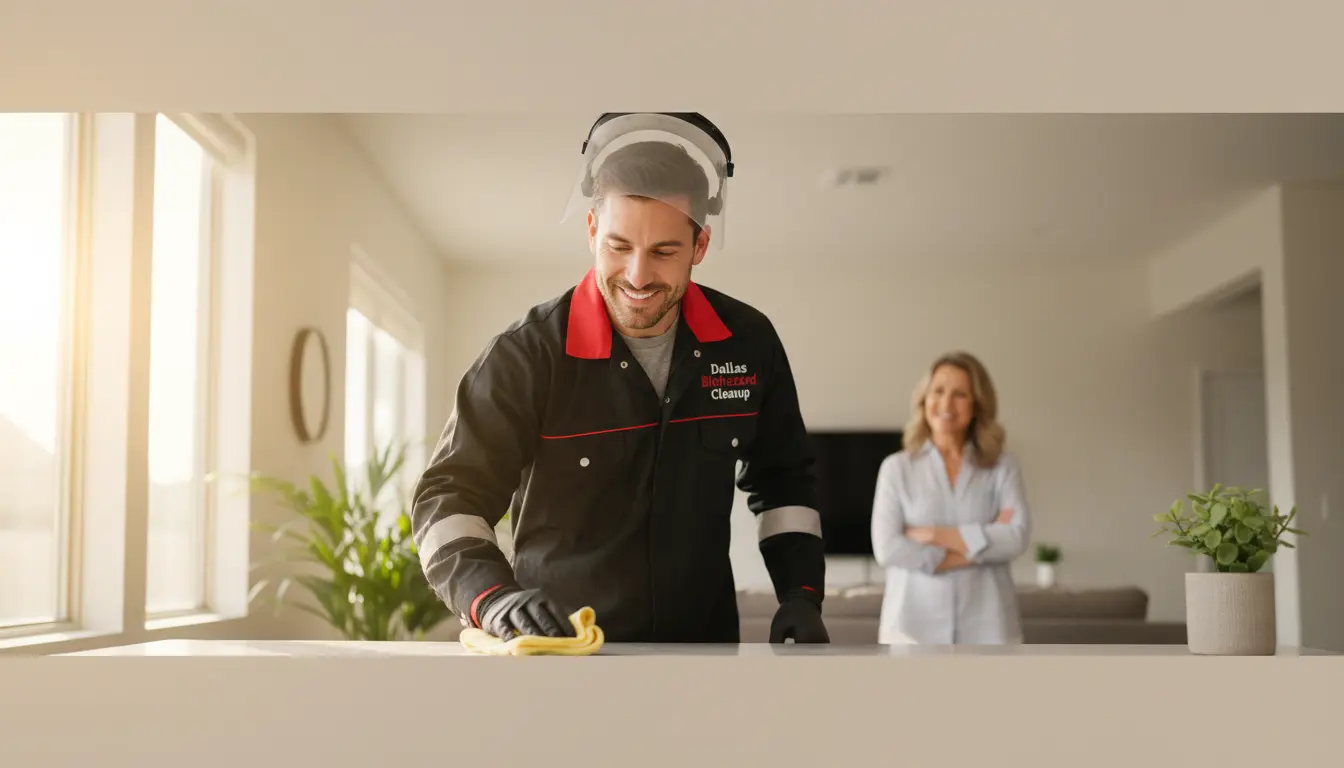
Contrary to popular belief, the average cost of unattended death cleanup in Dallas is not as straightforward as many might think. In fact, the complexity of biohazard remediation in the Dallas area, where extreme summer heat and humidity fluctuations can accelerate biological decay, often leads to a wide range of costs. The primary factor influencing the cost of unattended death cleanup is the extent of the biological contamination, which can vary greatly depending on the duration of the decomposition process and the type of surfaces involved.
Standard cleaning methods are woefully inadequate for addressing the risks associated with unattended death scenes, as they fail to account for the presence of bloodborne pathogens, bacteria, and other microorganisms that can pose serious health risks to individuals exposed to them. Professional biohazard remediation is critical in such situations, as it ensures the complete removal of biological contaminants and the restoration of a safe environment. Dallas Biohazard Cleanup, as the premier service provider in the area, specializes in discreetly and efficiently handling unattended death cleanup, providing a comprehensive solution that includes everything from initial assessment to final clearance.
The importance of professional biohazard remediation cannot be overstated, especially in a region like Dallas, where the climate can rapidly accelerate the decomposition process. By leveraging their expertise and state-of-the-art equipment, including HEPA air scrubbers and enzymatic sanitizers, Dallas Biohazard Cleanup ensures that properties are not only restored to a safe condition but also protected against future biological hazards. For residents in areas such as Lower Greenville, Preston Hollow, Oak Lawn, Lakewood, Addison, Richardson, Irving, Arlington, Frisco, and Plano, having access to such specialized services is invaluable.
Understanding the Technical Process of Biohazard Cleanup
The process of biohazard cleanup involves several critical steps, each designed to ensure the thorough removal of biological contaminants and the prevention of cross-contamination. First, a thorough hazard assessment is conducted to identify all areas of contamination. This is followed by the establishment of containment zones to prevent the spread of pathogens during the cleanup process. Biological material removal is then carefully executed, often requiring specialized personal protective equipment (PPE) to protect against bloodborne pathogens and other infectious agents.
After the removal of visible contaminants, a multi-stage sanitization process is initiated. This may involve the use of EPA-registered hospital-grade disinfectants, enzymatic sanitizers to break down protein-based contaminants, and the deployment of HEPA air scrubbers to remove airborne pathogens. The process concludes with ATP (adenosine triphosphate) testing to verify the elimination of microbial life, ensuring that the environment is safe for future occupancy. Understanding these steps is crucial for property owners in Dallas and surrounding areas to appreciate the complexity and importance of professional biohazard remediation.
Data Comparison: Professional Remediation vs. Standard Janitorial/DIY Cleaning
| Feature/Metric | Professional Remediation | Standard Janitorial/DIY |
|---|---|---|
| Pathogen Elimination | 99.99%+ elimination through specialized equipment and protocols | Variable, often incomplete removal |
| Legal/Waste Compliance | Full compliance with OSHA, EPA, and local regulations | Risk of non-compliance, potential for legal action |
| Cross-Contamination Risk | Minimized through containment and disinfection protocols | High risk of spreading contaminants to other areas |
Source: OSHA Bloodborne Pathogens Standard
Expert Insights for Property Owners
When dealing with biohazard situations, property owners in Dallas and surrounding areas must be aware of several key factors to ensure a safe and effective cleanup. First, assessing sub-flooring for fluid penetration is crucial, as failure to address this can lead to ongoing biological and structural issues. Understanding vector control is also vital to prevent pest infestations that can spread disease. Furthermore, recognizing the limitations of standard cleaning products, such as household bleach, which can actually fix proteins and make cleanup more difficult, is essential.
Common mistakes include using inappropriate cleaning solutions, ignoring the need for professional remediation, and failing to address porous materials that may harbor pathogens. These oversights can result in incomplete removal of biological hazards, leading to ongoing health risks, legal liabilities, and potential for future biological growth. For comprehensive guidance on what to do after trauma, consulting resources like the What To Do After Trauma: Dallas Biohazard Cleanup Guide can provide invaluable insights.
Pricing for Unattended Death Cleanup
The cost of unattended death cleanup can vary widely based on several factors, including the extent of biological contamination, the size of the area affected, and the type of surfaces involved. Pricing may be structured on a per room basis, hourly rates, or fixed rates based on bio-load tiers. Factors influencing cost include the depth of biological fluid penetration, the amount of regulated medical waste disposal required, structural tear-out needs, and PPE requirements. For a detailed understanding of the costs involved, it’s essential to consult with a professional biohazard remediation service.
Safety and Standards in Biohazard Cleanup
Safety and adherence to standards are paramount in biohazard cleanup. Services must comply with OSHA regulations, adhere to ABRA and IICRC guidelines, and utilize EPA-registered disinfectants. The importance of these standards lies in ensuring that the cleanup process not only removes immediate biological hazards but also prevents future risks, including cross-contamination and the spread of infectious diseases. By choosing a service that prioritizes these aspects, property owners can ensure a safe and legally compliant remediation process.
Frequently Asked Questions
What is the average time required for unattended death cleanup?
The time required can vary significantly depending on the extent of the contamination and the size of the area. It can range from a few hours for small, contained scenes to several days for more extensive situations. The use of specialized equipment and the need for multiple stages of sanitization can also influence the duration.
Is biohazard cleanup covered by insurance?
Insurance coverage for biohazard cleanup can vary. Some policies may include provisions for biohazard remediation, especially in cases where the contamination is related to a covered event. However, the specifics of coverage depend on the insurance provider and the terms of the policy. It’s essential to review your policy or consult with your insurance provider to understand what is covered.
How do I choose a reliable biohazard cleanup service in Dallas?
Choosing a reliable service involves looking for certifications such as those from ABRA or IICRC, ensuring compliance with OSHA and local regulations, and verifying the use of proper equipment and protocols. Reviews and referrals can also provide insights into a service’s professionalism and effectiveness. For more information on selecting a reliable biohazard cleanup service, consider consulting the How to Choose Reliable Biohazard Cleanup in Dallas Area guide.
What are the risks of not properly addressing biohazard contamination?
The risks include ongoing health hazards for occupants, potential legal liabilities, and the possibility of future biological growth leading to odors, structural damage, and pest infestations. Properly addressing biohazard contamination is crucial to prevent these outcomes and ensure a safe environment.
Professional Biohazard Remediation in Dallas, Texas
In conclusion, the importance of professional biohazard remediation in Dallas and surrounding areas cannot be overstated. By understanding the technical process, the differences between professional and standard cleaning methods, and the factors influencing cost, property owners can make informed decisions about how to address biohazard situations safely and effectively. Dallas Biohazard Cleanup stands as a compassionate, highly trained, and reliable option for those in need of discreet and efficient biohazard remediation services. Whether you’re in Lower Greenville, Preston Hollow, or any other part of the Dallas area, having access to professional biohazard cleanup is crucial for restoring properties to a safe, pathogen-free state.