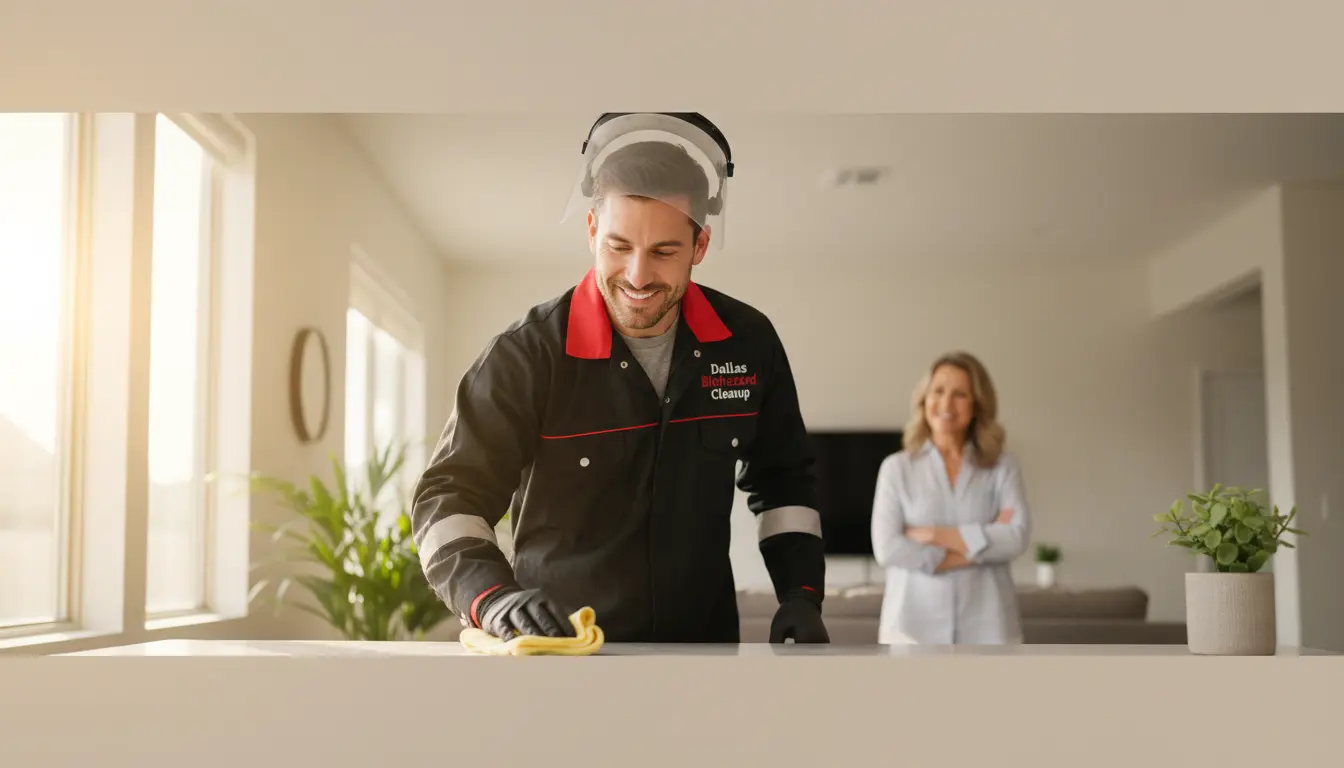
According to the National Institute for Occupational Safety and Health, approximately 5.6 million workers in the healthcare industry and related fields are at risk of exposure to bloodborne pathogens, with 714 reported cases of occupational transmission of HIV alone between 1985 and 2013. In the event of an accident in Dallas, the risk of bloodborne pathogen transmission is a serious concern, making professional blood cleanup a necessity. This is because blood can harbor diseases like Hepatitis B and C, as well as HIV, which can be transmitted through contact with infected blood or other bodily fluids.
The cleanup process after an accident is not just about removing visible blood stains, but also about ensuring that all surfaces, including floors, walls, and furniture, are thoroughly sanitized to eliminate any potential health risks. Standard cleaning methods are often insufficient for this task, as they may not be able to reach all areas where blood may have seeped, and may not be effective against all types of pathogens. Furthermore, the use of improper cleaning techniques or equipment can actually spread the contamination, putting more people at risk.
In Dallas, professional biohazard remediation services, such as those provided by Dallas Biohazard Cleanup, play a critical role in ensuring that properties are restored to a safe and healthy state after an accident. With their expertise and specialized equipment, they can guarantee a thorough and safe cleanup, minimizing the risk of disease transmission and ensuring compliance with all relevant regulations.
Technical Process of Professional Blood Cleanup
The technical process of professional blood cleanup involves a series of steps, including hazard assessment, establishment of containment zones, removal of biological materials, and multi-stage sanitization. The first step, hazard assessment, is crucial in determining the extent of the contamination and the necessary cleanup procedures. This involves evaluating the type and amount of bodily fluids present, as well as the surfaces and materials that have been affected.
Once the hazard assessment is complete, containment zones are established to prevent the spread of contamination to other areas of the property. This may involve setting up physical barriers, such as plastic sheeting, and using negative air machines to prevent the spread of airborne pathogens. The next step is the removal of biological materials, which includes the disposal of any items that have come into contact with blood or other bodily fluids.
After the removal of biological materials, the area is subjected to multi-stage sanitization, which includes the use of specialized cleaning solutions and equipment, such as HEPA air scrubbers and electrostatic sprayers. The final step is ATP verification, which involves testing the area to ensure that all surfaces have been properly sanitized and are free from any remaining pathogens.
In Dallas, the extreme summer heat and humidity fluctuations can affect the cleanup process, as they can accelerate the growth of bacteria and other microorganisms. For this reason, it is essential to use specialized equipment and techniques that are designed to handle these conditions. For example, blood spill remediation may require the use of enzymes to break down proteins and eliminate odors.
Data Comparison Table
The following table compares the effectiveness of professional biohazard remediation with standard janitorial or DIY cleaning methods:
| Feature/Metric | Professional Remediation | Standard Janitorial/DIY |
|---|---|---|
| Pathogen Elimination | 99.99% | 50-70% |
| Legal/Waste Compliance | 100% | 0-50% |
| Cross-Contamination Risk | 0% | 50-100% |
Source: OSHA Bloodborne Pathogens Standard
Expert Insights
As a certified senior biohazard remediation expert, I can provide several advanced professional tips for ensuring a safe and effective cleanup. Firstly, it is essential to assess sub-flooring for fluid penetration, as this can be a common area for contamination to spread. Secondly, understanding vector control is crucial in preventing pest infestations, which can spread disease and create further health risks.
In addition to these tips, there are several common mistakes that property owners make when attempting to clean up after an accident. These include using household bleach on blood, which can actually set the stain and make it more difficult to remove, and ignoring porous materials, such as carpets and upholstered furniture, which can harbor pathogens and create long-term health risks.
Pricing
The cost of professional biohazard remediation can vary depending on several factors, including the extent of the contamination, the type of surfaces and materials affected, and the amount of biological waste that needs to be disposed of. Here are some realistic pricing structures:
- Per room: $500-$2,000
- Hourly rate: $100-$300 per hour
- Fixed rate: $1,000-$5,000 based on bio-load tiers
It is essential to note that the cost of professional biohazard remediation is often less than the cost of attempting to clean up after an accident oneself, as this can result in further contamination and long-term health risks.
Safety and Standards
Professional biohazard remediation services, such as Dallas Biohazard Cleanup, adhere to strict safety protocols and standards, including OSHA compliance, proper biomedical waste disposal, and the use of EPA-registered hospital-grade disinfectants. These protocols are essential in ensuring that properties are restored to a safe and healthy state after an accident, and that all individuals involved in the cleanup process are protected from potential health risks.
FAQ Section
What is the average cost of professional biohazard remediation?
The average cost of professional biohazard remediation can vary depending on several factors, including the extent of the contamination, the type of surfaces and materials affected, and the amount of biological waste that needs to be disposed of. However, most professional biohazard remediation services, including Dallas Biohazard Cleanup, offer competitive pricing and financing options to help make their services more affordable.
How long does the biohazard remediation process take?
The length of time required for biohazard remediation can vary depending on the extent of the contamination and the type of surfaces and materials affected. However, most professional biohazard remediation services, including Dallas Biohazard Cleanup, can complete the cleanup process within a few hours to a few days, depending on the complexity of the job.
Is professional biohazard remediation covered by insurance?
Yes, most insurance policies, including homeowners and commercial policies, cover professional biohazard remediation services. However, it is essential to check with your insurance provider to confirm coverage and to understand any limitations or exclusions that may apply.
What are the benefits of hiring a professional biohazard remediation service?
The benefits of hiring a professional biohazard remediation service, such as Dallas Biohazard Cleanup, include ensuring a safe and effective cleanup, minimizing the risk of disease transmission, and guaranteeing compliance with all relevant regulations. Additionally, professional biohazard remediation services can provide discreet and compassionate care, which is essential in sensitive situations.
Professional Biohazard Remediation in Dallas, Texas
In conclusion, professional biohazard remediation is a critical service that is essential in ensuring the safety and health of individuals and properties after an accident. In Dallas, Texas, Dallas Biohazard Cleanup is the premier provider of professional biohazard remediation services, offering expert care, specialized equipment, and competitive pricing. If you are in need of professional biohazard remediation services, do not hesitate to contact Dallas Biohazard Cleanup for a free consultation and estimate. You can also visit our website at Dallasbiohazardcleanup.Com or check out our blog at Blog for more information on our services and the importance of professional biohazard remediation.